 While allegations of news media bias have been around for a long time, it seems as though the problem keeps getting worse.
Sure, the way we see the world affects how we write about it, but there’s no excuse for distorting or outright misrepresenting facts because one has an axe to grind. When a journalist’s credibility is damaged by biased reporting, whatever he or she writes from that point on is inevitably suspect.
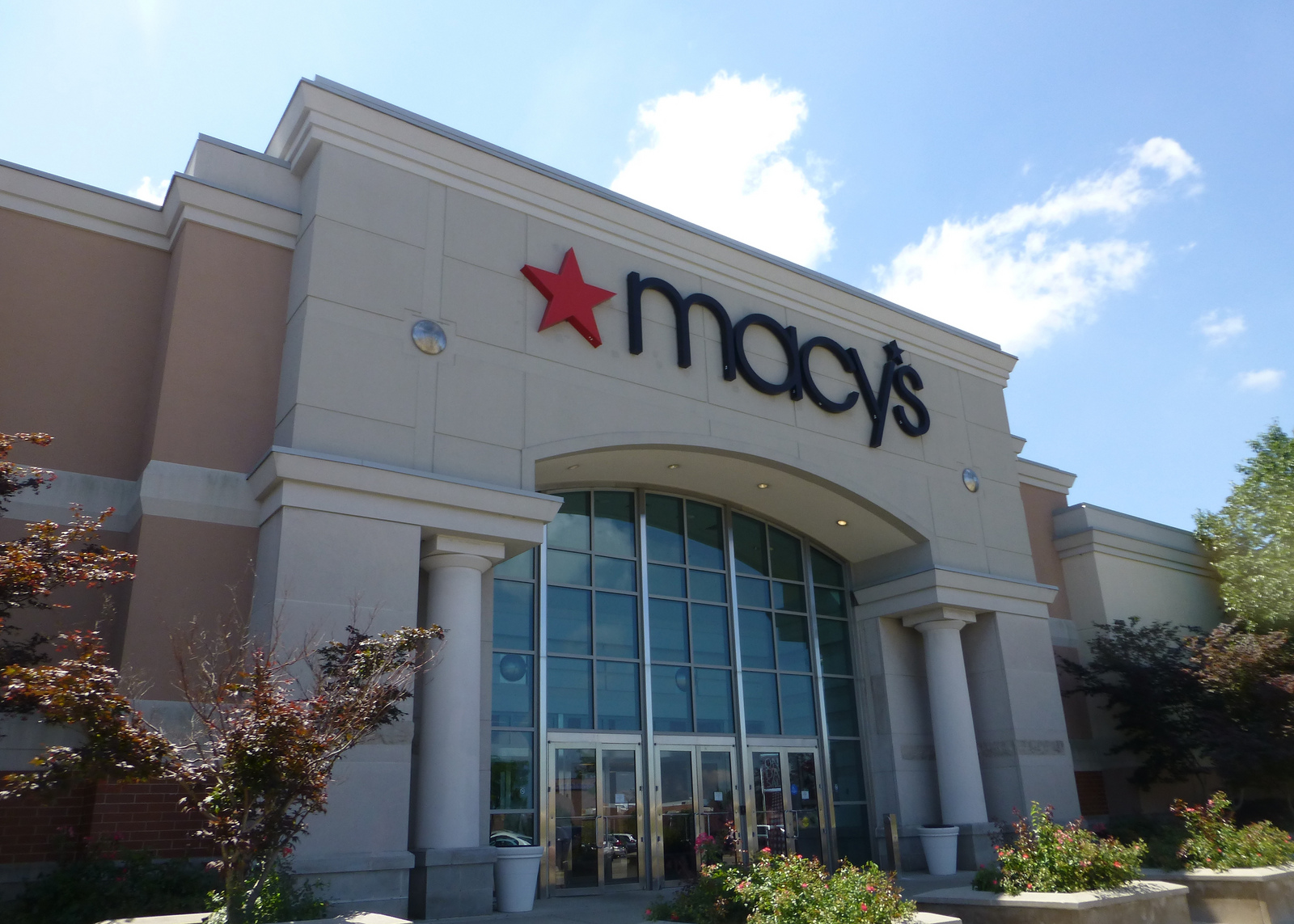
Yesterday I came across an article in Ragan’s PR Daily titled, “Macy’s blames customers for Thanksgiving opening” that struck me as particularly egregious. It’s a great example of a writer’s bias distorting the facts and running amok with his conclusions.
The story was about Macy’s decision to stay open Thanksgiving night. I’m sure the writer, Kevin Allen, is a good guy, and he certainly has an impressive journalistic background. According to his bio, he previously served as an editor and reporter for the Chicago Sun-Times, ESPNChicago.com, FoxSports.com and Ragan Communications.
I have nothing personally against Mr. Allen; I just think he ought to know better than to write such a distorted piece based on assumptions that may or may not be accurate.
I’m also wondering why PR Daily didn’t put “Opinion” or “Commentary” at the top, because it sure wasn’t what I would call an industry news article.
- Let’s start with the headline – Macy’s is blaming its customers for something?!! That didn’t sound like very good corporate PR to me.
It was a good headline in the sense that it peaked my interest and got me to read the article (see my previous post about effective headline writing), but it didn’t reflect reality.
Macy’s wasn’t “blaming” it’s customers for anything.
So, in that sense, it was a poor, misleading headline because as I read the article it was apparent that Macy’s was simply accommodating its customers’ desires—in this case responding to their interest in shopping early—which is how successful companies operate.
As I noted in the comments section of this article, I’m not defending Macy’s decision. Personally I think that the real meaning and purpose of holidays like Thanksgiving and Christmas have been diminished by the emphasis on materialism, which is largely driven by retail. That said, let’s stick to the facts, please.
- Mr. Allen writes that Macy’s polled its employees, asking them if they were willing (not wanted) to work on Thanksgiving evening.
It would be a rare person who would want to work during that time, but some people may not be able to travel to spend the holiday with family, and rather than sit home alone would appreciate the extra income.
- While acknowledging the poll results aren’t public – an admission that he really doesn’t know the results – Mr. Allen assumes he knows what they must be.
Based on that assumption, he concludes that “Macy’s management doesn’t particularly give a flying hoot what its employees prefer.” Again, no evidence of this, merely the writer’s feelings of what must be in the cold, dark hearts of the evil capitalists who love to exploit their workers.
Ironically, in a previous article by Mr. Allen on this topic, he cites a supposed Macy’s poll question which includes this statement to employees: “We will do our best to honor your preferences.”
If the “miserly and heartless” (his words) managers didn’t care, it seems to me they wouldn’t have bothered to ask their employees whether they would be willing to work Thanksgiving evening before making a decision one way or the other.
It’s certainly legitimate to criticize Macy’s decision (count me as one who doesn’t support it), but there’s no justification for spinning the story and misrepresenting the facts.
photo credit: Fan of Retail via photopin cc
 The Art of Telling Your Story